GhostRunnerTundra
New member
- Joined
- Mar 17, 2025
- Messages
- 20
- Reaction score
- 7
- Tundra
- 2025 Limited TRD 4x4
Since modifying my truck I’ve learned a lot about what actually affects MPG and what doesn’t. Some of the changes surprised me quite a bit, so I figured I’d share the real world numbers I’ve seen so far. For reference I’m running 35" tires with a lift. When I first picked the truck up from the dealership (lift installed but still on stock tires), I was seeing around 22 mpg highway and roughly 17 mpg city. Once I moved up to the 35s, the drop was honestly smaller than I expected; about 2 mpg on the highway and roughly 2 mpg in the city. Using rounded numbers that put me around 20 highway and 15 city.
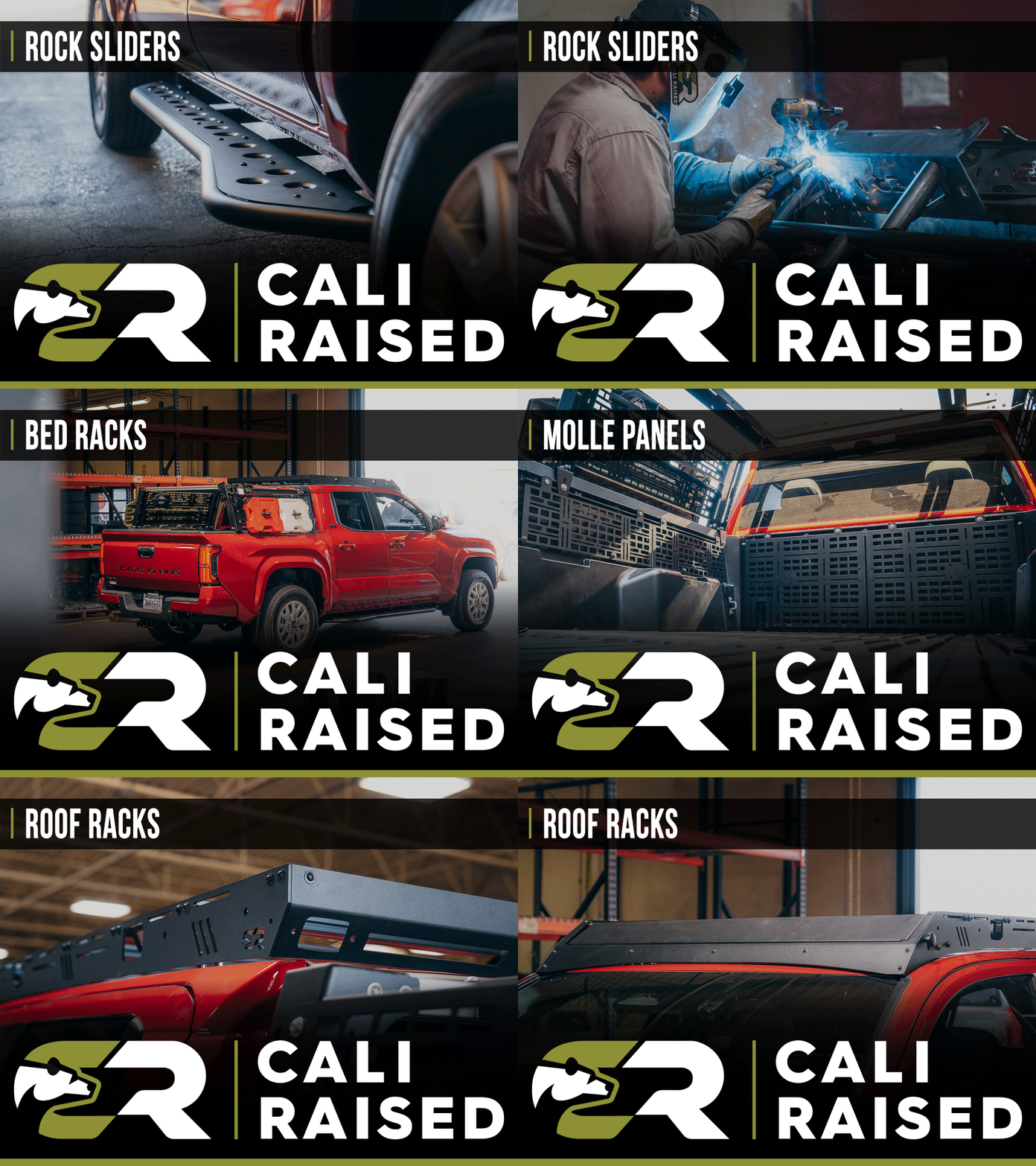
Where things really changed was once the bed rack went on. With the rack installed, my highway mileage dropped all the way down to about 12.5 mpg and city to around 10 mpg. I later added the MOLLE panels and some gear which actually helped a bit — bumping it up to roughly 13.5 highway and 11 city. My guess is that filling in some of that open space helped the airflow slightly. What really surprised me though was comparing with a friend who lives nearby. Our trucks are almost identical — same lift, same 35s, similar overall weight — the only real difference is he runs a full camper shell instead of a bed rack. He showed me his numbers and he’s getting about 16 mpg highway and around 13 mpg city.
The explanation I’ve heard is that bed racks create a low-pressure pocket behind the cab that traps turbulent air and increases drag, while a camper shell smooths the airflow and acts almost like an extension of the cab. Point being, if you drive a lot it’s actually something worth considering when deciding between a rack and a cap. I average around 20k miles a year, and the difference in fuel cost between the two setups would honestly be around $2–3k annually for me. Hopefully I will get the chance to run the full cap option for my Xtrusion XO Skeleton rack here in the near future.
Would love to hear if any of you have seen similar MPG differences between a rack vs cap vs nothing setup on your rigs.

My Buddy running a full Cap on his rig
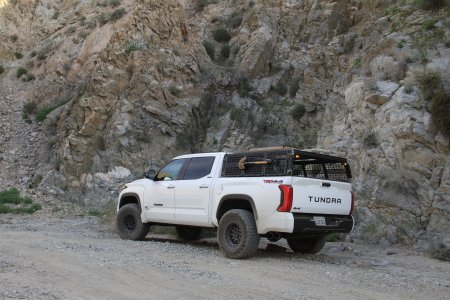
The Ghost with the Bed Rack installed complete with molle panels
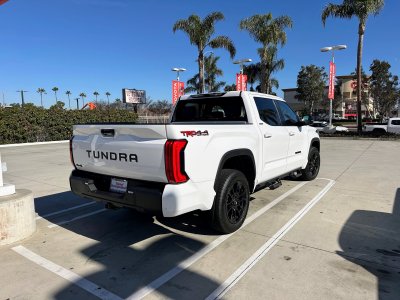
The Ghost straight off the dealership lot
Where things really changed was once the bed rack went on. With the rack installed, my highway mileage dropped all the way down to about 12.5 mpg and city to around 10 mpg. I later added the MOLLE panels and some gear which actually helped a bit — bumping it up to roughly 13.5 highway and 11 city. My guess is that filling in some of that open space helped the airflow slightly. What really surprised me though was comparing with a friend who lives nearby. Our trucks are almost identical — same lift, same 35s, similar overall weight — the only real difference is he runs a full camper shell instead of a bed rack. He showed me his numbers and he’s getting about 16 mpg highway and around 13 mpg city.
The explanation I’ve heard is that bed racks create a low-pressure pocket behind the cab that traps turbulent air and increases drag, while a camper shell smooths the airflow and acts almost like an extension of the cab. Point being, if you drive a lot it’s actually something worth considering when deciding between a rack and a cap. I average around 20k miles a year, and the difference in fuel cost between the two setups would honestly be around $2–3k annually for me. Hopefully I will get the chance to run the full cap option for my Xtrusion XO Skeleton rack here in the near future.
Would love to hear if any of you have seen similar MPG differences between a rack vs cap vs nothing setup on your rigs.
My Buddy running a full Cap on his rig
The Ghost with the Bed Rack installed complete with molle panels
The Ghost straight off the dealership lot